The evolution of casinos Tracing the roots of gambling culture
The Origins of Gambling
The roots of gambling can be traced back thousands of years to ancient civilizations, where it was often intertwined with cultural and religious practices. Archaeological findings indicate that games of chance were played in ancient China, Greece, and Rome, reflecting the human inclination to take risks and seek fortune. These early forms of gambling involved rudimentary dice and betting on outcomes of various events, illustrating the universal appeal of games of chance across different societies. Today, players can explore the exciting offerings at cuntspincasino.com, experiencing this rich history firsthand.
In ancient Rome, gambling became a popular pastime among citizens and was even embraced by the elite. The Romans introduced various games, including dice and betting on gladiatorial contests, which showcased both risk and reward. This early acceptance laid the foundation for gambling as an entertainment form, shaping its evolution through the ages and influencing modern gaming practices.
The Birth of Casinos
The concept of the casino as we know it began to take shape in the 17th century in Italy, where the first official gaming houses emerged. These establishments were designed to provide a controlled environment for gambling, offering various games of chance and skill. The term “casino” itself originates from the Italian word for “small house,” indicating the intimate and exclusive nature of these venues.
Throughout Europe, casinos flourished, particularly in cities like Venice and Monte Carlo. By the 19th century, they had gained immense popularity, attracting aristocrats and wealthy individuals. The lavish decor and entertainment offerings created a luxurious atmosphere that distinguished casinos from other gambling venues, making them symbols of opulence and social status.
The Rise of Land-Based Casinos
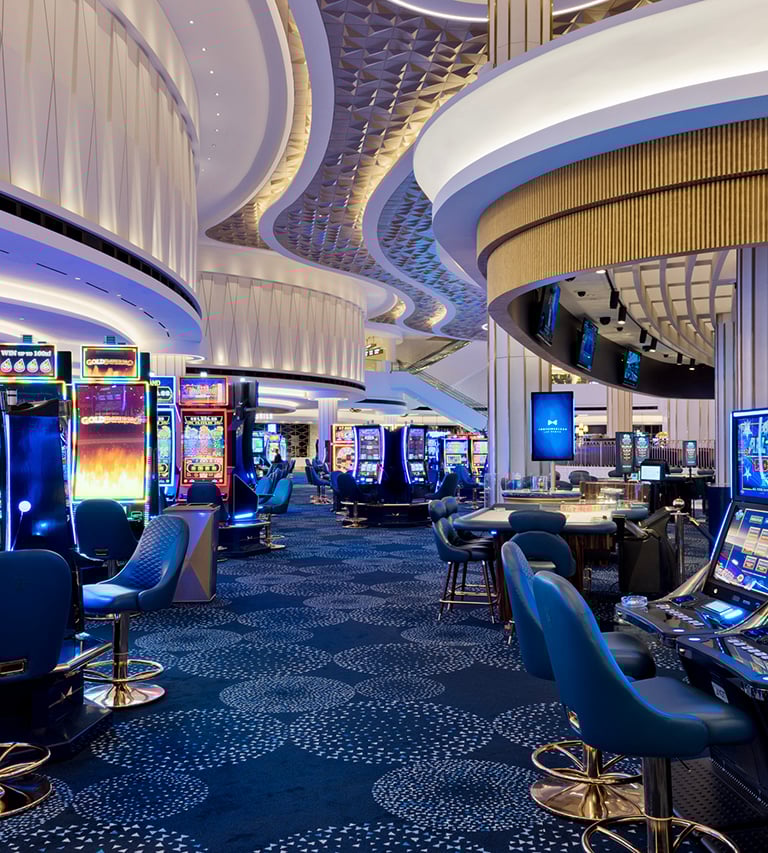
The establishment of land-based casinos expanded significantly in the 20th century, particularly in the United States. Las Vegas emerged as a hub for gambling, offering extravagant resorts and a wide array of gaming options. The legalization of gambling in Nevada in 1931 marked a significant turning point, leading to the construction of iconic casinos that combined gaming with entertainment, dining, and nightlife.
These land-based casinos quickly evolved into entertainment destinations, featuring not only traditional table games and slots but also elaborate shows and performances. The combination of gambling and entertainment has helped shape the modern casino experience, making it a central part of cultural and social life in many regions.
The Digital Transformation of Gambling
The advent of the internet in the late 20th century brought about a revolutionary change in the gambling landscape. Online casinos emerged, providing players with the convenience to enjoy their favorite games from the comfort of their homes. This shift has democratized access to gambling, allowing individuals who may not have the opportunity to visit traditional casinos to engage in gaming.
Online platforms have expanded the variety of games available, offering everything from slots and table games to live dealer experiences. As technology continues to advance, innovations such as mobile gaming and virtual reality are set to further transform the gambling culture, making it more accessible and engaging than ever before.

Exploring Online Casinos Today
Today, online casinos represent a significant segment of the gambling industry, with numerous platforms catering to a diverse audience. They provide a vibrant and immersive experience, often featuring thousands of licensed games that allow players to explore various genres and gameplay styles. With enticing bonuses, promotions, and swift payout options, online casinos have attracted millions of players worldwide.
The convenience of playing on desktops and mobile devices has created an environment where gambling can be enjoyed anytime and anywhere. This evolution of casinos, from their ancient origins to modern online platforms, reflects the enduring appeal of gambling culture and its ability to adapt to changing societal norms and technological advancements.
